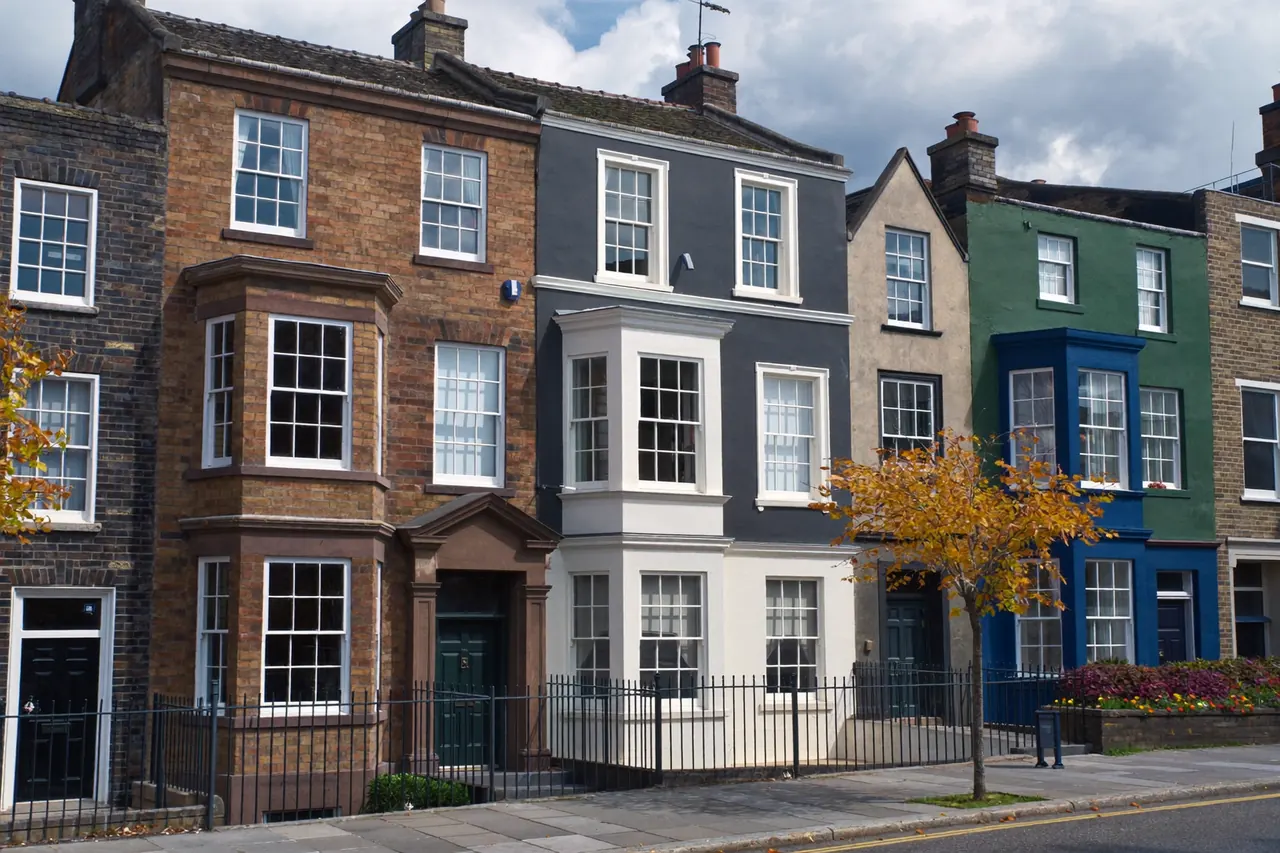
A conservation area is a place the local council has decided is worth protecting for its architecture or history. It does not freeze your home in time, but it does mean changes to the parts people see — especially the windows on the front — are looked at more closely than they would be elsewhere. The goal is consistency: keeping the look of the street intact while still letting owners maintain and improve their homes.
What the rules usually cover
In most conservation areas, ordinary maintenance and a genuine like-for-like replacement — same style, same material, same proportions — can often be done without a planning application. What tends to need permission is any change that alters the appearance: swapping timber sashes for a different style, changing the opening pattern, or using a material that looks noticeably different from the original. The safest first step is always to call the council’s planning department and describe exactly what you want to do.
Article 4 directions and listed buildings
Two things tighten the rules further. An Article 4 direction removes some of the permitted development rights that normally let you replace windows freely, so in those areas even a like-for-like change may need consent. If your home is also a listed building, you will usually need listed building consent for window work, and the requirements on materials and detailing are stricter again. Check both before you commit to a specification — your surveyor can help you read what applies to your address.
Rules are set by your local council and vary from area to area. Always confirm your own position with the planning department before ordering windows. This page is general guidance, not a substitute for that advice.
Check what your property qualifies for
Two quick questions and we’ll match you with an installer experienced in conservation work.
Check my options →Windows that keep the character
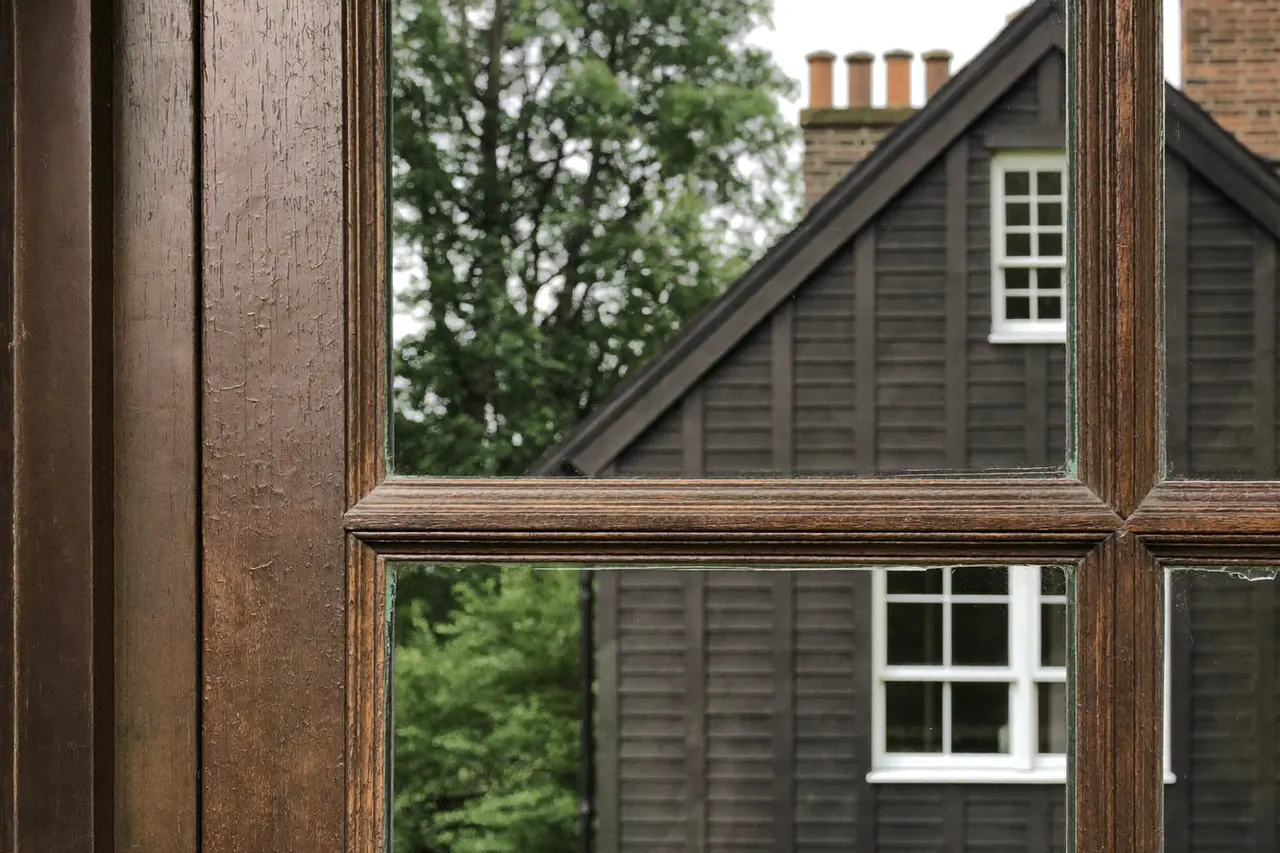
Modern timber-alternative and heritage-style frames have come a long way. Slim sightlines, authentic glazing bars, run-through horns on sashes and dual-colour finishes mean you can meet a conservation officer’s expectations while gaining the warmth and security of modern glazing. Where the council asks for slim double-glazed units or even secondary glazing to preserve original frames, an experienced installer will know the products that pass muster and can explain what happens on installation day.
Timing and funding
Conservation projects need extra lead time because approvals come first. Line up any consent, then check the typical lead times so the fitting follows on smoothly. Surveyors covering many areas have appointments this month.
Homes in conservation areas can still explore flexible funding options, always subject to eligibility and a home survey, with £0-upfront options potentially available for those who qualify. Fund Your Windows is not a lender and does not offer grants; your installer will explain the routes open to you.
See how routes differ by home on our window funding by property type hub, or return to the Fund Your Windows homepage.
Check funding for your home
A free, no-obligation quote and home survey from a vetted local installer.
Check my options →